Many are curious about skin fasting and its effectiveness. What is skin fasting, and does it work? Skin fasting is a skincare approach involving a temporary reduction in the use of topical products to allow the skin’s natural processes to recover and regulate. While this method aims to encourage natural skin balance, it’s important to understand that individual results vary and it may not be suitable for all skin types. The effectiveness of skin fasting depends on a range of factors, making it crucial to consider your specific skin condition and needs before attempting this approach.
You may also refer to 敷完面膜可以擦精華液嗎?高效護膚秘訣:先面膜後精華液!
- Skin Fasting: Does it Really Work?
- Skin Fasting: Results & Risks
- Skin Fasting: Does it work for you?
- Skin Fasting: Does it work? You Decide
- What is skin fasting, and does it work? Conclusion
- What is skin fasting, and does it work? Quick FAQ
Skin Fasting: Does it Really Work?
The effectiveness of skin fasting is a frequently asked question, and the honest answer is: it depends. Skin fasting, a temporary reduction or elimination of topical products, aims to let your skin’s natural processes restore balance. This approach, focusing on natural skincare solutions, may yield positive results for some individuals, while others may not experience any significant change or might even experience negative effects. It’s crucial to remember that skin health is complex, influenced by a multitude of factors beyond just product application.
Several factors contribute to whether skin fasting will “work” for you. These include:
- Your skin type: Those with oily, acne-prone skin may find that skin fasting helps to regulate sebum production. Conversely, individuals with very dry or sensitive skin may experience increased dryness or irritation. Individual results vary widely.
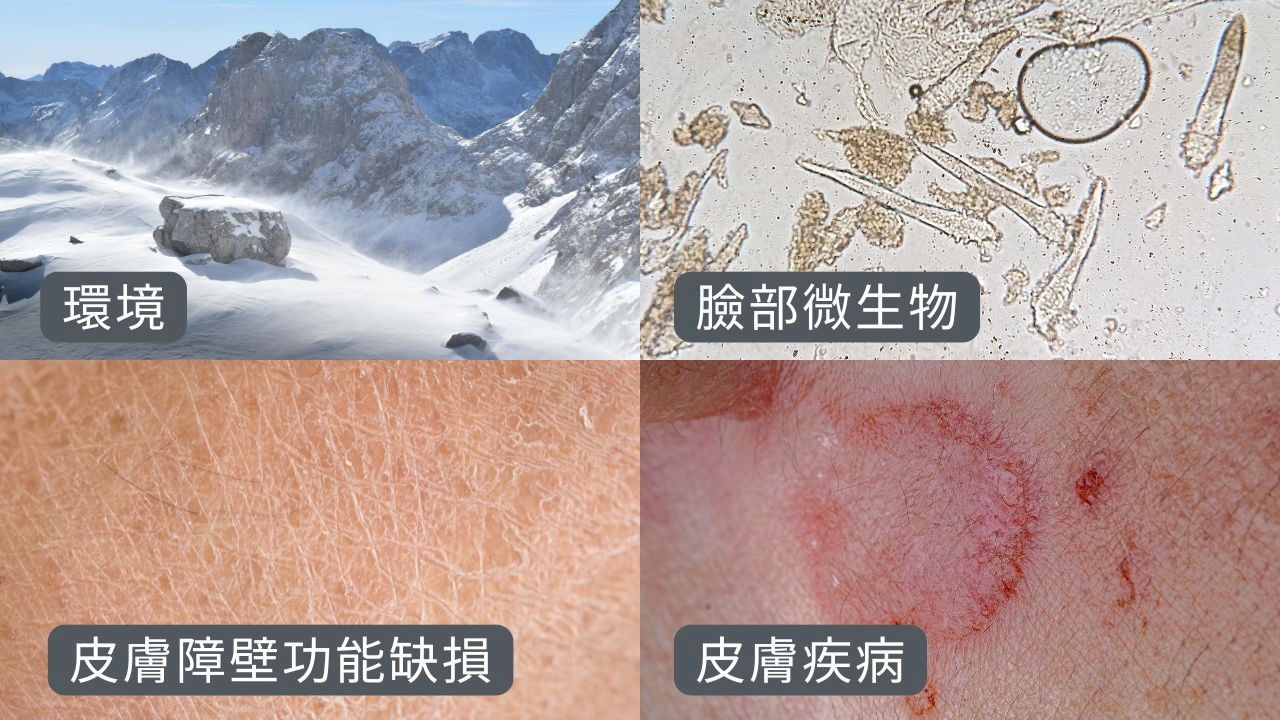
- Underlying skin conditions: Existing conditions like eczema, rosacea, or psoriasis may be aggravated by skin fasting due to the lack of protective or therapeutic products. Always consult a dermatologist before embarking on skin fasting if you have pre-existing skin concerns. We need to prioritize skin health.
- Your expectations: Skin fasting is not a quick fix or a miracle cure. It’s a process that requires patience and consistent observation. Realistic expectations are key to a successful experience.
- Your environment: Environmental factors, such as pollution and sun exposure, can significantly impact skin health. Skin fasting may be more beneficial in less harsh environments. Sun protection remains vital regardless of your skincare routine.
Remember, the goal of skin fasting, as a natural skincare solution, is to allow your skin to regain its natural balance. However, it’s not a guaranteed solution for all skin types or conditions. It requires careful consideration and may require adjustments based on your individual response.
Skin Fasting: Results & Risks
Skin fasting, a temporary reduction in topical product use to allow the skin’s natural processes to regulate, may yield positive results for some individuals, but it’s crucial to understand that it’s not a guaranteed solution and carries potential risks. The experience is highly individual, and results can vary significantly depending on your skin type, overall health, and environmental factors. Remember, consistent and healthy skincare habits, informed by your understanding of your individual needs, are paramount for long-term skin health.
Let’s explore some potential outcomes and risks associated with skin fasting:
- Potential Positive Results: Some individuals report improvements in skin clarity, reduced breakouts, a decrease in irritation from products, and a more balanced skin barrier. This is because skin fasting allows your skin to reset, potentially reducing inflammation and improving its natural ability to repair itself. However, this is not universally experienced.
- Potential Negative Results: Others experience increased dryness, flakiness, breakouts (especially if they have a history of acne), or a worsening of existing skin conditions like eczema or rosacea. This is because your skin might be less protected without the usual barrier of your topical products. Therefore, proper preparation and monitoring are crucial.
- Important Considerations: Skin fasting is not a quick fix. It requires patience and a realistic expectation of results. It’s crucial to understand that your skin’s natural repair process takes time. The initial period might involve some discomfort or worsening of existing conditions before improvement is seen. Therefore, you must be prepared for this possibility.
- Who Should Avoid Skin Fasting?: Those with severe skin conditions, such as severe acne, eczema, or rosacea, should consult a dermatologist before attempting skin fasting. Similarly, individuals with sensitive skin should proceed with caution and consider a gradual reduction in product usage rather than an abrupt stop.
Always prioritize understanding your individual skin needs and reacting accordingly. Remember, while skin fasting might offer benefits, it’s essential to weigh the potential risks and carefully consider whether it aligns with your skin’s specific requirements and health.
Skin Fasting: Does it work for you?
The effectiveness of skin fasting is deeply personal. What works wonders for one person might yield minimal results, or even negative consequences, for another. This is due to the diversity of skin types and conditions. Someone with oily, acne-prone skin might experience a reduction in breakouts during a skin fasting period, as their skin’s natural regulatory processes are allowed to function without interference from potentially comedogenic products. However, individuals with dry, sensitive, or eczema-prone skin could experience increased dryness, irritation, or even exacerbate existing conditions. Therefore, careful consideration of your individual skin needs and sensitivities is crucial.
To determine if skin fasting is right for you, consider these points:
- Skin Type: Do you have oily, dry, combination, or sensitive skin? Your skin type will heavily influence your experience.
- Existing Skin Conditions: Are you dealing with acne, eczema, rosacea, or other conditions? Skin fasting might worsen these, requiring professional dermatological guidance.
- Product Dependency: Are you heavily reliant on many topical products? A gradual reduction in product use, rather than an abrupt stop, might be a safer approach.
- Realistic Expectations: Skin fasting is not a quick fix. It requires patience and a realistic understanding that results may be gradual and not always dramatic.
Ultimately, the question of whether skin fasting “works” is a highly individual one, emphasizing the importance of listening to your skin and seeking professional advice if needed. Keep a close eye on your skin’s reaction throughout the process. If you notice any significant worsening of your skin’s condition, discontinue the practice and consult a dermatologist.
| Factor | Consideration |
|---|---|
| Skin Type | Oily, dry, combination, or sensitive skin? Your skin type significantly impacts results. |
| Existing Skin Conditions | Acne, eczema, rosacea, etc.? Skin fasting may worsen these; consult a dermatologist. |
| Product Dependency | Heavily reliant on topical products? Gradually reduce use instead of abruptly stopping. |
| Realistic Expectations | Skin fasting isn’t a quick fix. Results are gradual and may not be dramatic. |
| Overall Effectiveness | Highly personal; what works for one may not work for another. Listen to your skin and seek professional advice if needed. |
Skin Fasting: Does it work? You Decide
Ultimately, the effectiveness of skin fasting is highly individual. It’s not a one-size-fits-all approach to skincare, and what works wonders for one person might exacerbate another’s skin concerns. This is because everyone’s skin is unique, with varying needs and sensitivities. Several factors influence your skin’s response to a period of reduced topical product use. These include your skin type (oily, dry, combination, sensitive), your skin’s current condition (acne, eczema, rosacea), and even your environment and lifestyle choices.
To determine if skin fasting is right for you, consider these points:
- Understand your skin: Keep a detailed journal of your skin’s reaction to products and environmental factors. This will help you identify potential irritants and understand your skin’s natural behavior. This self-awareness is crucial for a successful skin fasting experience.
- Start slowly: Don’t jump into a drastic, full-on skin fast immediately. Begin by gradually reducing the number of products you use and the frequency of application. This minimizes the risk of potential adverse reactions while allowing your skin to adjust.
- Listen to your skin: Pay close attention to how your skin reacts. Look for signs of improvement (reduced breakouts, increased radiance, improved texture) or worsening (increased dryness, inflammation, irritation). Be prepared to stop and re-evaluate if necessary.
- Consult a professional: If you have pre-existing skin conditions or concerns, it is essential to consult a dermatologist before attempting skin fasting. They can offer personalized guidance and assess if it’s a suitable approach for your specific needs. A dermatologist can help ensure you’re managing your skin’s health effectively, whether through skin fasting or alternative methods.
Skin fasting, as a natural skincare solution, offers a potential pathway to healthier skin for some. However, it requires careful consideration and a thorough understanding of your own skin’s unique needs and reactions. Remember, patience and observation are key to determining if it’s a suitable method for you.
What is skin fasting, and does it work? Conclusion
So, what is skin fasting, and does it work? The answer, as we’ve explored throughout this guide, is nuanced and highly individual. Skin fasting, a temporary reduction or elimination of topical products, aims to allow your skin’s natural processes to rebalance. While it may lead to improvements in skin clarity, reduced breakouts, or a healthier skin barrier for some, it’s not a guaranteed solution and may even worsen existing conditions for others. The success of skin fasting depends heavily on factors like your skin type, pre-existing conditions, and your expectations.
Remember, consistent, healthy skincare habits are paramount for long-term skin health, regardless of whether you choose to incorporate skin fasting into your routine. This means understanding your skin’s unique needs and reacting accordingly. If you’re considering skin fasting, we strongly encourage a cautious approach:
- Start slowly and gradually reduce product use. Avoid abruptly stopping all products, especially if you have sensitive skin or existing conditions.
- Pay close attention to your skin’s reaction. Keep a journal to track changes and be prepared to stop if you experience negative effects.
- Prioritize sun protection, regardless of your skincare routine. Sun damage is a major contributor to premature aging and skin problems.
- Consult a dermatologist, particularly if you have pre-existing conditions or concerns. They can offer personalized advice and help you determine if skin fasting is suitable for your skin.
Ultimately, the question, “What is skin fasting, and does it work?” can only be answered by you, through careful observation, patience, and a deep understanding of your own skin. Skin fasting may be a beneficial addition to your skincare routine, but it’s not a miracle cure, and it’s certainly not suitable for everyone. Prioritize your skin’s health and wellbeing above all else, and don’t hesitate to seek professional advice when needed.
What is skin fasting, and does it work? Quick FAQ
What exactly is skin fasting?
Skin fasting is a skincare approach where you temporarily minimize or eliminate the use of topical products like cleansers, moisturizers, serums, and treatments. The goal is to allow your skin’s natural processes to regulate and potentially improve its overall health and balance. It’s considered a natural skincare solution.
Does skin fasting really work for everyone?
No, the effectiveness of skin fasting varies significantly from person to person. While some individuals may experience improvements in skin clarity, reduced breakouts, or a more balanced complexion, others might see no change or even experience negative effects like increased dryness or irritation. Your skin type, existing skin conditions, and environmental factors all play a role in determining the outcome. It’s not a guaranteed solution for all.
Who should avoid skin fasting?
Individuals with severe skin conditions like eczema, rosacea, or severe acne should consult a dermatologist before trying skin fasting. Those with very sensitive skin should also proceed with caution, potentially starting with a gradual reduction in product use rather than a complete stop. Proper preparation and monitoring are crucial to prevent negative outcomes.