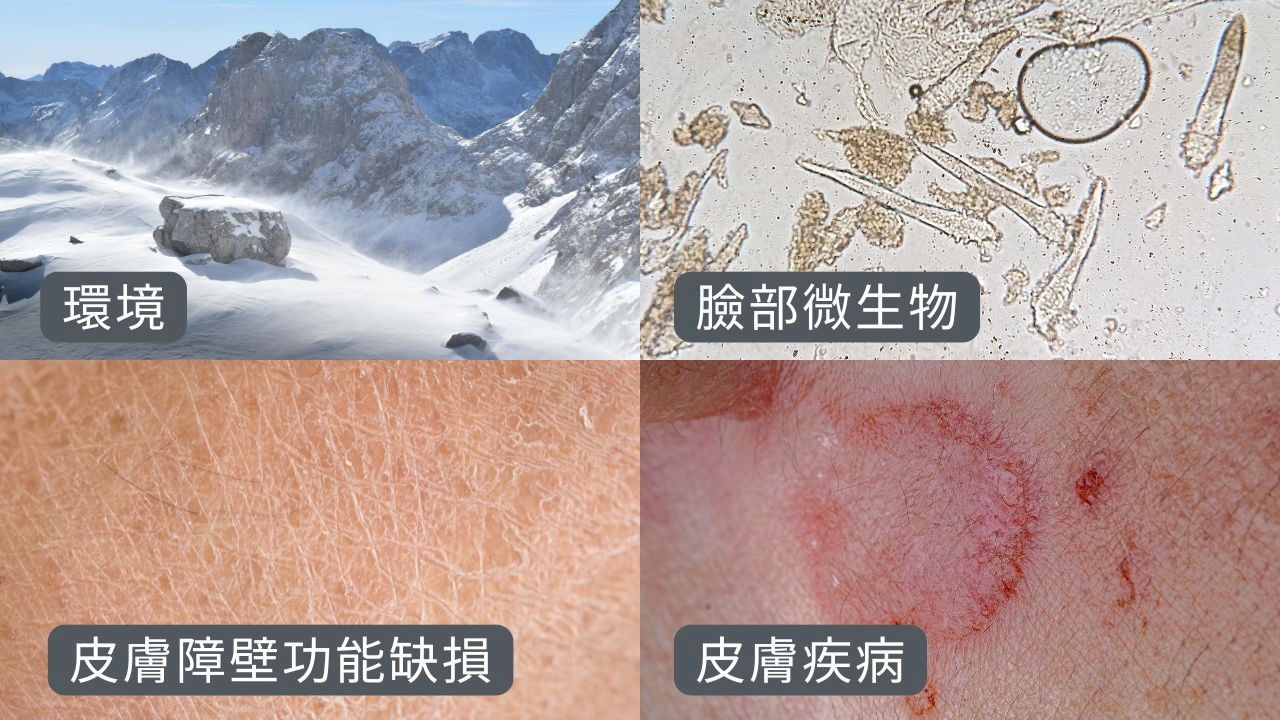
Understanding how stress impacts your skin and care routine is crucial for maintaining healthy skin. Stress can manifest in various ways, including breakouts, dryness, and increased skin sensitivity. To combat these effects, a consistent skincare routine incorporating calming ingredients such as chamomile or lavender can be incredibly beneficial. This approach helps soothe irritated skin and promotes a more balanced complexion.
You may also refer to 油痘肌可以擦防曬嗎? 專家李醫師教你正確防曬,告別痘痘困擾!
- Understanding Stress & Skincare
- Stress & Your Skin: A Routine Guide
- Stress & Skincare: Routine Solutions
- Stress, Skin, & Routine: A Guide to Calming Ingredients
- How stress impacts your skin and care routine Conclusion
- How stress impacts your skin and care routine Quick FAQ
Understanding Stress & Skincare
Understanding the intricate connection between stress and your skin is crucial for developing an effective skincare routine. Stress, in its many forms, triggers a cascade of physiological responses that directly impact your skin’s health. This isn’t just about occasional breakouts; chronic stress can lead to a range of issues, from increased sensitivity and dryness to a compromised skin barrier, making you more vulnerable to irritation and infection. Think of it this way: your skin is a reflection of your overall well-being, and constant stress acts as a disruptor to that balance.
To truly understand how to care for your skin, you must first understand how stress affects it. Here are some key ways stress manifests on your skin:
- Increased Acne: Stress hormones can stimulate oil production, leading to clogged pores and breakouts.
- Eczema Flare-ups: Stress can exacerbate existing conditions like eczema, causing increased itching and inflammation.
- Rosacea Aggravation: For those with rosacea, stress can trigger redness, flushing, and visible blood vessels.
- Slowed Wound Healing: Stress compromises the body’s ability to repair itself, impacting wound healing and leaving your skin more susceptible to damage.
- Premature Aging: Chronic stress accelerates the aging process, leading to wrinkles, sagging, and decreased skin elasticity.
By understanding these connections, you can begin to proactively address the impact of stress on your skin. Managing stress is not just about skincare; it’s about overall health and well-being. Incorporating stress-reducing techniques into your daily routine, along with a tailored skincare regimen, is paramount for achieving healthy, radiant skin.
Stress & Your Skin: A Routine Guide
Maintaining a consistent skincare routine is paramount when managing stress and its impact on your skin. This isn’t just about applying products; it’s about creating a mindful ritual that helps calm both your mind and your skin. Think of it as self-care, not a chore. Here’s how to build a routine that addresses stress-related skin issues:
- Gentle Cleansing: Opt for a gentle cleanser that won’t strip your skin’s natural oils, which are crucial for maintaining a healthy skin barrier, especially when stressed. Avoid harsh scrubs or overly fragrant products, as these can exacerbate sensitivity.
- Hydration is Key: Hydration is vital for combating dryness and inflammation, both common side effects of stress. Use a hydrating toner and a moisturizer suited to your skin type. Look for ingredients like hyaluronic acid, which attracts and retains moisture.
- Targeted Treatments: If you experience breakouts due to stress, incorporate a spot treatment containing ingredients like salicylic acid or benzoyl peroxide. Remember to be patient; results take time.
- Stress-Reducing Ingredients: Incorporate products containing calming ingredients like chamomile, lavender, or aloe vera. These can help soothe irritated skin and promote relaxation. Consider using these ingredients in your face masks or serums.
- Sun Protection: Stress can make your skin more susceptible to sun damage. Make daily sunscreen application a non-negotiable part of your routine, regardless of the weather. Choose a broad-spectrum sunscreen with an SPF of 30 or higher.
- Consistency is Crucial: The most important aspect of any skincare routine, especially one designed to combat stress-related skin issues, is consistency. Make it a habit, and you’ll see better results.
Remember, addressing stress holistically is also crucial for healthy skin. A balanced diet, regular exercise, and sufficient sleep contribute significantly to your overall well-being and the health of your skin.
Stress & Skincare: Routine Solutions
Finding the right skincare routine to combat stress-induced skin issues is key. It’s not just about slapping on a cream; it’s about understanding your skin’s needs and adapting your routine accordingly. Consistency is paramount. A consistent routine helps regulate your skin’s natural processes and minimizes the impact of stress.
Here are some tailored solutions:
- Gentle Cleansing: Opt for a mild, creamy cleanser that won’t strip your skin of its natural oils, particularly if stress has caused dryness or sensitivity. Avoid harsh scrubbing, which can exacerbate irritation.
- Hydration is Crucial: Stress can dehydrate your skin, leading to dryness and inflammation. Introduce a hydrating serum or facial mist into your routine, paying attention to ingredients like hyaluronic acid, known for its moisture-retaining properties. A rich moisturizer at night is also essential to replenish your skin while you sleep.
- Calming Ingredients: Incorporate skincare products containing calming ingredients such as chamomile, lavender, aloe vera, or green tea. These ingredients possess anti-inflammatory and soothing properties that can help reduce redness, irritation, and inflammation caused by stress.
- Sun Protection: Stress can make your skin more vulnerable to sun damage. Daily use of a broad-spectrum sunscreen with an SPF of 30 or higher is vital to protect your skin from harmful UV rays, regardless of the weather.
- Regular Exfoliation (But Gently!): Stress can lead to a buildup of dead skin cells, potentially clogging pores and contributing to breakouts. Gentle exfoliation 1-2 times a week can help, but avoid harsh scrubs. Opt for chemical exfoliants containing alpha-hydroxy acids (AHAs) or beta-hydroxy acids (BHAs) at a low concentration.
Remember that every individual’s skin is unique. What works for one person may not work for another. Experiment with different products and ingredients to find the perfect routine that works best for your skin and helps mitigate the effects of stress on its health and radiance.
“`html
| Step | Action | Details |
|---|---|---|
| Gentle Cleansing | Use a mild cleanser | Avoid harsh scrubbing; opt for creamy cleansers to prevent stripping natural oils, especially if experiencing dryness or sensitivity. |
| Hydration | Hydrating Serum/Mist & Moisturizer | Stress dehydrates skin. Use hyaluronic acid based serums or mists. A rich night moisturizer is essential. |
| Calming Ingredients | Incorporate soothing products | Use products with calming ingredients like chamomile, lavender, aloe vera, or green tea to reduce redness and inflammation. |
| Sun Protection | Daily Sunscreen | Stress increases sun vulnerability. Use broad-spectrum SPF 30+ daily, regardless of weather. |
| Gentle Exfoliation | 1-2 times per week | Remove dead skin cells gently using chemical exfoliants (AHAs/BHAs at low concentration) to avoid clogging pores. Avoid harsh scrubs. |
| Remember: Consistency is key, and individual needs vary. Experiment to find your perfect routine. | ||
“`
Stress, Skin, & Routine: A Guide to Calming Ingredients
Beyond establishing a consistent skincare routine, incorporating calming ingredients is crucial for managing stress-related skin issues. Ingredients with anti-inflammatory and soothing properties can significantly reduce redness, irritation, and breakouts often triggered by stress. Consider adding products containing:
- Chamomile: Known for its calming and anti-inflammatory effects, chamomile can help soothe stressed skin and reduce redness. Look for chamomile extracts in cleansers, toners, or serums.
- Lavender: Similar to chamomile, lavender possesses calming properties and can help to reduce inflammation and promote relaxation. Lavender-infused oils or creams can be incorporated into your nighttime routine for a relaxing experience.
- Aloe Vera: A natural remedy for various skin concerns, aloe vera is known for its ability to soothe irritated skin, promote healing, and reduce inflammation, making it an excellent choice for stress-compromised skin.
- Green Tea: Rich in antioxidants, green tea can help protect the skin from damage caused by stress and environmental factors. Look for green tea extracts in your cleansers or masks.
Remember, the key is to introduce these ingredients gradually into your routine to avoid any potential allergic reactions. Pay close attention to how your skin responds, and adjust accordingly. A holistic approach combining a consistent skincare regimen with stress-reducing techniques and calming ingredients will significantly contribute to achieving healthy, radiant skin.
How stress impacts your skin and care routine Conclusion
Understanding how stress impacts your skin and care routine is a journey, not a destination. We’ve explored the intricate relationship between stress and skin health, highlighting how stress manifests in various skin issues, from acne breakouts and eczema flare-ups to premature aging and compromised skin barriers. This understanding is the cornerstone of creating a truly effective skincare strategy.
The key takeaway from this exploration of how stress impacts your skin and care routine is the importance of a holistic approach. It’s not enough to simply address visible symptoms; you must also address the root cause—stress itself. This means incorporating stress-reducing practices into your daily life alongside a carefully curated skincare routine. Remember that a consistent, gentle routine incorporating hydrating and calming ingredients is essential for supporting your skin’s natural resilience and ability to cope with the effects of stress.
Building a mindful skincare routine that incorporates calming ingredients like chamomile and lavender isn’t just about treating blemishes; it’s about creating a moment of self-care. This daily ritual can help you manage stress levels while actively improving your skin’s health and radiance. By making conscious choices in both your lifestyle and your skincare regimen, you can significantly minimize the negative impact of stress on your skin and cultivate a complexion that reflects your inner well-being.
Ultimately, managing stress and nurturing your skin are interwoven aspects of overall health and well-being. By combining these approaches, you invest in not only the appearance of your skin but also your overall health and happiness. Remember to listen to your skin, adjust your routine as needed, and prioritize self-care to achieve your healthiest, most radiant skin.
How stress impacts your skin and care routine Quick FAQ
How does stress directly affect my skin?
Stress triggers physiological responses that negatively impact your skin. This can manifest as increased acne due to stimulated oil production, eczema flare-ups, rosacea aggravation, slowed wound healing, and even premature aging due to accelerated collagen breakdown. Essentially, stress disrupts your skin’s natural balance, leading to various issues depending on your skin type and existing conditions.
What key ingredients should I look for in a skincare routine to combat stress-related skin problems?
Prioritize gentle cleansers that won’t strip your skin’s natural oils. Hydrating ingredients like hyaluronic acid are crucial. Incorporate calming ingredients such as chamomile, lavender, aloe vera, and green tea, known for their anti-inflammatory and soothing properties. Don’t forget daily sunscreen, as stress can increase sun sensitivity.
My skincare routine isn’t working. What should I do?
Consistency is key! If your current routine isn’t yielding results, evaluate your consistency. Are you using products daily? Are you using them correctly? If so, consider experimenting with different products containing the recommended calming ingredients. If problems persist, consult a dermatologist to rule out any underlying skin conditions or allergies. Remember that every skin is unique, and finding the perfect routine takes time and experimentation.