Understanding how to incorporate serums into your skincare routine is key to achieving your skin goals. Serums, applied after cleansing and toning but before moisturizing, deliver concentrated active ingredients directly to your skin. The best serum for you will depend on your specific needs; for instance, vitamin C serums brighten the complexion, while peptide serums target anti-aging concerns. This guide will explore how to effectively integrate serums for optimal results.
You may also refer to 皮膚屏障受損擦什麼? 高效修復肌膚屏障完整教學
- Serum Application: The Right Way
- Choosing the Right Serum for You
- Serums: A Step-by-Step Guide
- Serums: Your Routine’s Secret Weapon
- How to incorporate serums into your skin care routine Conclusion
- How to incorporate serums into your skin care routine Quick FAQ
Serum Application: The Right Way
Applying your serum correctly is crucial to maximizing its benefits and achieving the best possible results for your skin’s health and appearance. Remember, accurate skincare advice is key to success. This section will guide you through the proper steps to ensure your serum works effectively. Always remember to prioritize accurate skincare practices to improve your skin’s health.
Step-by-Step Serum Application
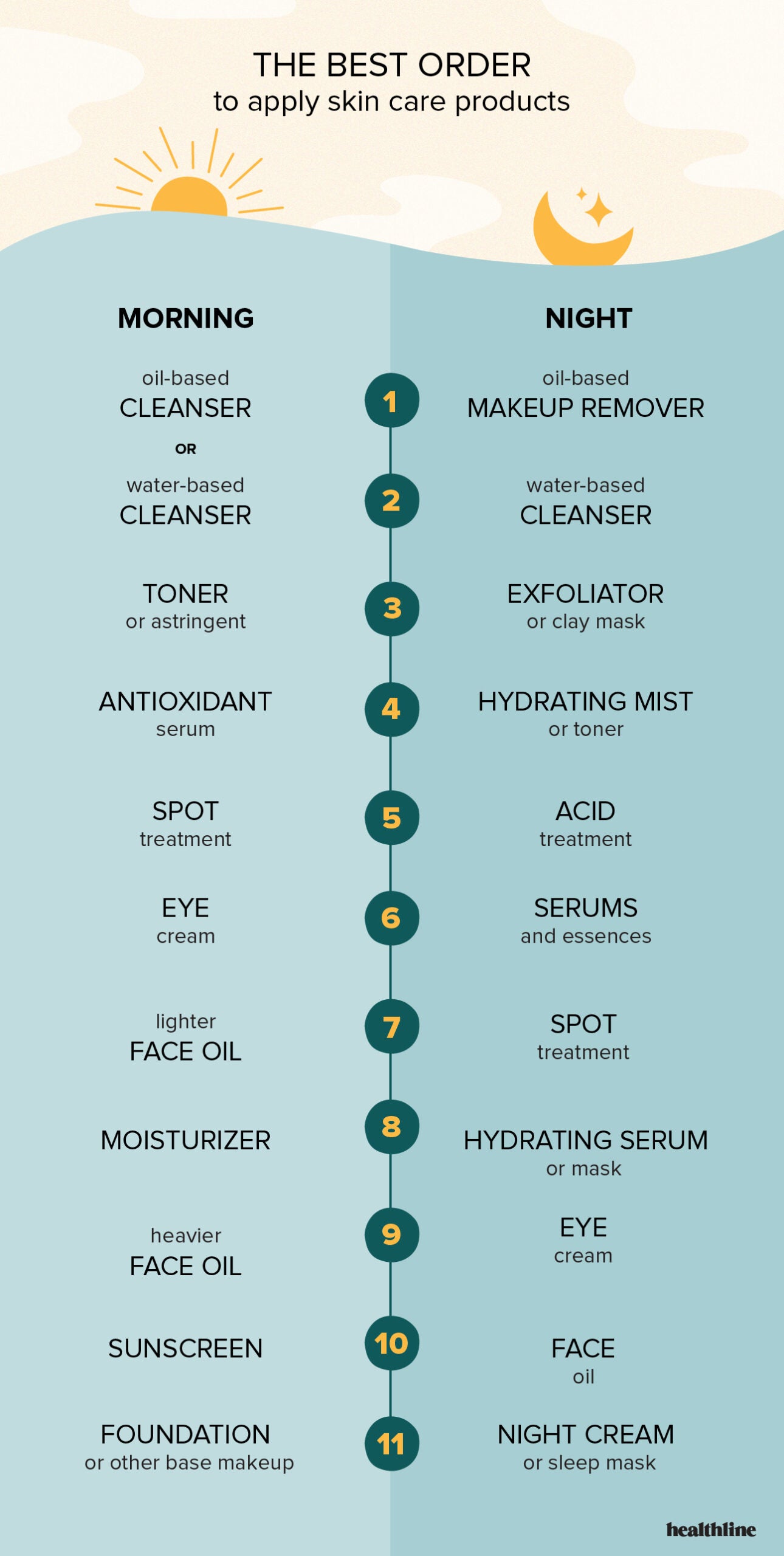
For optimal absorption and efficacy, follow this sequence:
- Cleanse: Begin with a gentle cleanser appropriate for your skin type to remove dirt, oil, and makeup. This ensures your serum can penetrate effectively.
- Tone (Optional): Follow cleansing with a toner, if you use one. Toners help balance your skin’s pH and prepare it for the serum. This step isn’t strictly necessary for everyone, but it can improve serum absorption for some individuals interested in improved skin health and appearance.
- Apply Serum: Dispense a pea-sized amount of serum into your fingertips. Gently pat and spread it evenly across your face and neck, avoiding harsh rubbing. This ensures the serum is properly distributed and avoids irritating the skin. Accurate application improves the efficacy of the product.
- Moisturize: After the serum has absorbed (usually a few minutes), apply your moisturizer. This seals in the serum’s beneficial ingredients, preventing moisture loss and enhancing the overall results for improved skin health and appearance. Remember that selecting serums based on your specific skin concerns, such as Vitamin C for brightening or peptides for anti-aging, is crucial for achieving your desired results.
By following these simple steps and choosing serums based on your specific needs, you’ll be well on your way to achieving healthier, more radiant-looking skin. Always focus on providing accurate skincare advice tailored to your unique skin type for optimal results.
Choosing the Right Serum for You
Selecting the perfect serum is crucial for achieving your desired skincare goals. This involves understanding your skin’s unique needs and choosing a serum formulated to address those concerns. Accurate skincare advice begins with self-assessment. What are your primary skin concerns? Are you aiming for brighter skin, reduced wrinkles, or improved hydration? This self-assessment is the foundation of a successful skincare routine. Remember, consistent use is key to seeing results; don’t expect overnight miracles, but rather gradual improvements with continued accurate skincare advice.
To help you navigate the world of serums, consider these factors when making your selection:
- Skin Type: Do you have oily, dry, combination, or sensitive skin? Selecting a serum appropriate for your skin type is paramount. Oily skin may benefit from lighter, oil-free formulas, while dry skin might need richer, hydrating serums. Always check the ingredient list for potential irritants if you have sensitive skin. This accurate skincare advice helps prevent potential reactions.
- Specific Concerns: Focus on your primary skin concern.
- For brightening: Look for serums containing Vitamin C or niacinamide.
- For anti-aging: Consider serums with peptides, retinol, or growth factors.
- For hydration: Hyaluronic acid serums are excellent for boosting moisture levels.
- For acne-prone skin: Salicylic acid or niacinamide serums can help control breakouts.
Prioritize your most pressing concern when building your skincare routine and applying accurate skincare advice.
- Ingredients: Read the ingredient list carefully. Understanding the function of each ingredient allows for informed decision-making. Choose products with high-quality, research-backed ingredients. Avoid serums with excessive fragrance or potentially irritating additives. Applying this accurate skincare advice will safeguard your skin’s health.
Remember, incorporating serums into your skincare routine should be a personalized journey. Start with one serum to address your primary concern, and gradually introduce others as needed. Always patch test new products before applying them to your entire face, following accurate skincare advice.
Serums: A Step-by-Step Guide
Integrating serums into your skincare routine might seem daunting at first, but with a clear, step-by-step approach, it becomes surprisingly simple. Remember, the goal is to improve your skin’s health and appearance using accurate skincare advice. This guide provides that, focusing on effectiveness and ease of use. Here’s a straightforward method to achieve radiant skin:
-
Cleanse: Begin with a gentle cleanser suited to your skin type. Thoroughly remove makeup and impurities to prepare your skin for optimal serum absorption.
-
Tone (Optional): A toner can help balance your skin’s pH after cleansing. This step isn’t strictly necessary for everyone, but it can be beneficial for those with oily or acne-prone skin. Choose a toner that’s alcohol-free to avoid dryness.
-
Apply Serum: Dispense a pea-sized amount of your chosen serum into your palm. Gently apply it to your face and neck using upward strokes. Avoid rubbing harshly. Allow the serum to fully absorb before moving on to the next step. Remember to select a serum based on your specific skin concerns, such as Vitamin C for brightening or peptides for anti-aging.
-
Moisturize: Follow with a moisturizer to seal in the serum’s benefits and provide additional hydration. The moisturizer creates a protective barrier, locking in the active ingredients from your serum and protecting your skin from environmental stressors. Choose a moisturizer compatible with your skin type and concerns.
By following these simple steps, you can effectively incorporate serums into your daily skincare routine for noticeable improvements in your skin’s health and appearance. Remember consistency is key! Using serums regularly will yield the best results. Always prioritize accurate skincare advice tailored to your individual needs.
“`html
| Step | Action | Details |
|---|---|---|
| 1 | Cleanse | Begin with a gentle cleanser suited to your skin type. Thoroughly remove makeup and impurities to prepare your skin for optimal serum absorption. |
| 2 | Tone (Optional) | A toner can help balance your skin’s pH. Beneficial for oily or acne-prone skin. Choose an alcohol-free toner. |
| 3 | Apply Serum | Dispense a pea-sized amount. Gently apply to face and neck using upward strokes. Select a serum based on your skin concerns (e.g., Vitamin C for brightening, peptides for anti-aging). |
| 4 | Moisturize | Follow with a moisturizer to seal in the serum’s benefits and provide hydration. Choose a moisturizer compatible with your skin type. |
“`
Serums: Your Routine’s Secret Weapon
Integrating serums into your skincare routine can significantly elevate your skin’s health and appearance. Think of serums as concentrated doses of active ingredients, designed to target specific skin concerns more effectively than your typical moisturizer. They’re lightweight, readily absorbed, and deliver powerful benefits. To maximize their efficacy and achieve optimal results, remember these key points for incorporating serums into your daily routine:
- Consistency is key: Using a serum daily, morning and night, provides the most noticeable improvements. This allows for consistent delivery of active ingredients, promoting better absorption and results.
- Patience is a virtue: While you may see some immediate improvements, significant changes often take several weeks or even months of consistent use. Don’t be discouraged if you don’t see immediate dramatic results; continued use will yield the best outcomes.
- Layer strategically: Remember, serums are best applied after cleansing and toning, but before moisturizing. This ensures the serum’s active ingredients penetrate effectively and aren’t blocked by a thick moisturizer.
- Listen to your skin: Pay attention to how your skin reacts. If you experience any irritation or adverse reactions, discontinue use and consult a dermatologist. Your skin’s needs are unique, so finding the right serum and routine takes some experimentation.
By following these simple guidelines and selecting serums tailored to your skin’s individual requirements—whether that be a Vitamin C serum for brightening or a peptide serum for anti-aging—you’ll unlock the true potential of serums and discover a noticeable difference in the overall health and radiance of your skin. Remember, choosing the right products and applying them correctly is crucial for achieving your skincare goals.
How to incorporate serums into your skin care routine Conclusion
Understanding how to incorporate serums into your skin care routine is a journey of self-discovery and personalized care. It’s about understanding your skin’s unique needs and selecting the right serums to address those concerns effectively. This guide has provided a framework for incorporating serums into your daily regimen, emphasizing the importance of consistent application, strategic layering, and patience. Remember, the key to success lies in selecting serums tailored to your specific skin type and concerns, whether that’s achieving a brighter complexion with a Vitamin C serum or targeting anti-aging with peptides.
Key Takeaways: Mastering Your Serum Routine
-
Consistency: Daily application, morning and night, maximizes results. Make it a habit!
-
Strategic Layering: Always apply serums after cleansing and toning, but before moisturizing, to ensure optimal absorption.
-
Personalized Selection: Choose serums based on your specific skin concerns (e.g., brightening, anti-aging, hydration). Don’t be afraid to experiment to find what works best for you.
-
Patience: Visible improvements take time. Be patient and consistent for the best results. Don’t expect overnight miracles, but rather gradual, noticeable changes over time.
-
Listen to your skin: Always patch test new products before full application and discontinue use if irritation occurs. Remember, accurate skincare advice starts with listening to your skin’s feedback.
By following the steps outlined in this guide on how to incorporate serums into your skin care routine, you’re equipping yourself with the knowledge and tools to achieve healthier, more radiant skin. Remember, a well-crafted skincare routine, including the strategic use of serums, is a testament to your commitment to your skin’s well-being. Embrace the journey, celebrate small victories, and enjoy the process of uncovering your skin’s best, most radiant self.
How to incorporate serums into your skin care routine Quick FAQ
What is the correct order for applying serum in my skincare routine?
The correct order is: cleanse, tone (optional), apply serum, then moisturize. This ensures your serum is properly absorbed and its benefits are maximized. Cleansing prepares your skin, toning balances pH (if used), the serum penetrates, and moisturizer seals everything in.
How do I choose the right serum for my skin type and concerns?
Consider your skin type (oily, dry, combination, sensitive) and primary concerns (brightening, anti-aging, hydration, acne). For brightening, look for Vitamin C or niacinamide. For anti-aging, consider peptides, retinol, or growth factors. Hyaluronic acid is great for hydration, and salicylic acid or niacinamide can help with acne. Always check the ingredient list and patch test before full application.
How long does it take to see results from using a serum?
Results vary depending on the serum and your skin. While some immediate improvements may be noticeable, significant changes usually take several weeks or even months of consistent daily use. Be patient and consistent for optimal results.