Understanding what active ingredients in skincare products actually do is key to achieving healthy, radiant skin. These ingredients directly target specific skin concerns such as acne, wrinkles, and uneven skin tone. For example, salicylic acid effectively treats acne, retinol reduces the appearance of wrinkles, and niacinamide improves skin tone. However, proper usage is crucial for optimal results, and individual needs vary, so seeking personalized advice from a dermatologist is always recommended.
You may also refer to 雞蛋與維生素C一起吃,營養滿點!
- Understanding Active Ingredients
- Active Ingredients: Unveiled
- Active Ingredients: A Closer Look
- Active Ingredients: Unveiled
- What are active ingredients in skin care products? Conclusion
- What are active ingredients in skin care products? Quick FAQ
Understanding Active Ingredients
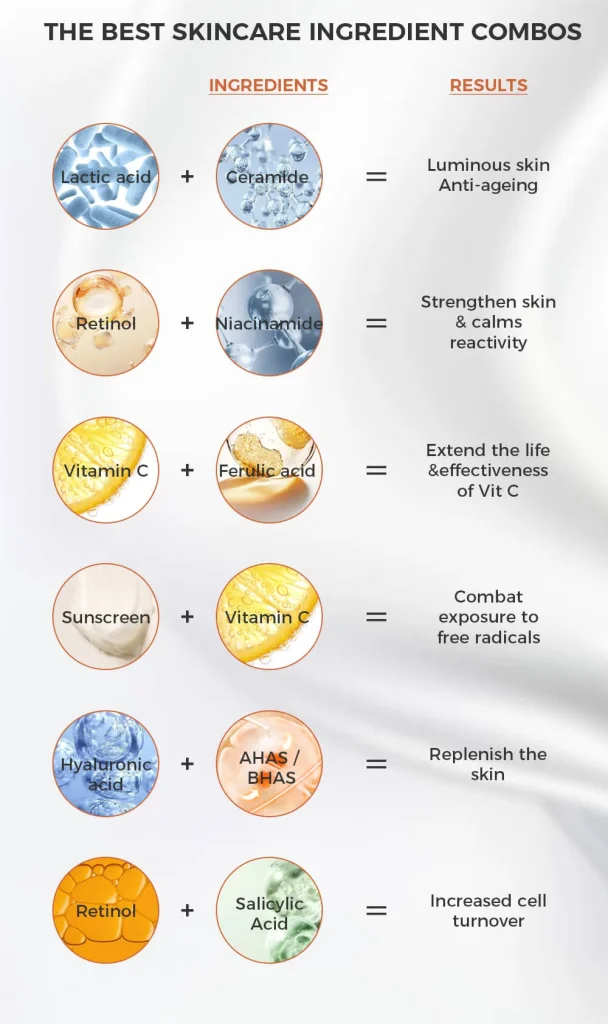
Understanding how active ingredients work is key to achieving your skincare goals. Many skincare enthusiasts are drawn to products promising radiant skin, but without understanding the active ingredients, you’re essentially guessing. This is where knowledge becomes power. Each ingredient targets specific skin concerns; for example, salicylic acid, a beta-hydroxy acid (BHA), excels at treating acne by unclogging pores and reducing inflammation. This makes it a valuable addition to a skincare routine for those with acne-prone skin. Conversely, retinol, a derivative of vitamin A, is a powerhouse for reducing the appearance of wrinkles and fine lines by stimulating collagen production. Remember, though, retinol can be irritating, so starting with a low concentration and gradually increasing usage is vital.
Another popular active ingredient, niacinamide (a form of vitamin B3), offers a wide range of benefits, improving skin tone, reducing redness, and minimizing the appearance of pores. It’s known for its ability to strengthen the skin barrier, leading to healthier, more resilient skin. These are just a few examples; many other active ingredients exist, each with its unique properties and benefits. The key is to understand your skin’s needs and choose ingredients that address those specific concerns. Always prioritize safe and effective usage for optimal results.
To help you navigate the world of active ingredients, consider the following:
- Identify your skin concerns: Are you battling acne, wrinkles, hyperpigmentation, or dryness? This will guide your ingredient selection.
- Research individual ingredients: Learn about their mechanisms of action and potential side effects. Online resources and dermatological publications can be valuable.
- Start slowly and patch test: Introduce new active ingredients gradually to minimize irritation and assess your skin’s tolerance.
- Consult a dermatologist: A professional can provide personalized advice based on your individual skin type and concerns.
By understanding how active ingredients work and how to use them correctly, you can create a skincare routine that delivers noticeable results and helps you achieve healthy, radiant skin. Remember, consistent and proper usage is crucial for maximizing the benefits of these powerful ingredients, and always remember that consulting a dermatologist for personalized guidance is essential.
Active Ingredients: Unveiled
Let’s delve deeper into the world of active skincare ingredients and uncover their power to transform your skin. Understanding how these ingredients work is key to achieving your desired results. Remember, a holistic approach incorporating proper skincare routines and a healthy lifestyle is crucial. This isn’t a quick fix; it’s about building a long-term strategy for healthy, radiant skin.
- Retinoids (like retinol and tretinoin): These vitamin A derivatives are powerhouses for anti-aging. They increase cell turnover, reducing the appearance of wrinkles, fine lines, and age spots. However, they can cause initial irritation, so start slowly and gradually increase usage. Always consult a dermatologist before incorporating retinoids into your routine, especially if you have sensitive skin. This is especially important because proper usage is crucial for optimal results.
- Alpha Hydroxy Acids (AHAs) (like glycolic acid and lactic acid): These chemical exfoliants gently remove dead skin cells, revealing brighter, smoother skin. They are excellent for improving skin texture and reducing the appearance of acne scars and hyperpigmentation. Remember that sun protection is vital when using AHAs, as they can increase sun sensitivity. A consistent routine targeting specific skin concerns with these ingredients yields the best results. You must consult a dermatologist for personalized advice.
- Salicylic Acid (BHA): A beta-hydroxy acid, salicylic acid is a lipid-soluble ingredient, meaning it can penetrate pores effectively to treat acne by unclogging them and reducing inflammation. It’s particularly beneficial for those with oily or acne-prone skin. As always, consistent application and proper usage are crucial for optimal results; consult a dermatologist for personalized advice.
- Niacinamide (Vitamin B3): This versatile ingredient addresses multiple concerns, including reducing redness, improving skin tone, minimizing pores, and controlling oil production. It’s generally well-tolerated by most skin types, making it a great addition to many skincare routines. Even with this generally well-tolerated ingredient, proper usage is crucial for optimal results, so consult a dermatologist for personalized advice.
Remember, these are just a few examples. Many other active ingredients exist, each with its own benefits and potential side effects. Understanding your skin type and concerns is the first step in choosing the right active ingredients for you. Always remember that consistent application and proper usage are crucial for optimal results. For personalized advice tailored to your specific needs, consult a dermatologist.
Active Ingredients: A Closer Look
Now that we’ve established the importance of active ingredients in achieving healthy, radiant skin, let’s delve deeper into some popular choices and their specific benefits. Remember, skincare enthusiasts should always research and understand how these ingredients work to maximize their efficacy and minimize potential irritation. This is where understanding your skin type becomes crucial for selecting the right active ingredients for your needs. A personalized approach, often guided by a dermatologist, ensures that you’re using products that complement your unique skin characteristics and address your specific concerns.
For instance, salicylic acid, a beta-hydroxy acid (BHA), is a powerhouse for those battling acne. Its ability to penetrate pores and exfoliate dead skin cells helps to unclog pores, reducing breakouts and preventing future blemishes. However, overuse can lead to dryness and irritation, highlighting the importance of proper usage and potentially diluting it when starting.
On the other hand, retinol, a derivative of vitamin A, is a celebrated anti-aging ingredient. It stimulates collagen production, reduces the appearance of fine lines and wrinkles, and improves skin texture. But, retinol requires a gradual introduction into your skincare routine to avoid irritation, and sun protection is absolutely essential while using it. It increases your skin’s sensitivity to the sun, therefore, you want to protect your skin as much as possible.
Finally, niacinamide, a form of vitamin B3, is a versatile ingredient that improves skin tone, reduces redness, and minimizes the appearance of pores. It’s generally well-tolerated by most skin types and can be incorporated into your routine more easily than retinol or salicylic acid. However, it’s still recommended to start slowly and monitor for any adverse reactions.
Ultimately, choosing the right active ingredients and understanding their proper usage is paramount. Remember to always consult a dermatologist for personalized advice and to create a skincare routine that is safe and effective for your unique skin.
“`html
| Ingredient | Type | Benefits | Considerations |
|---|---|---|---|
| Salicylic Acid | Beta-hydroxy acid (BHA) | Reduces breakouts, prevents blemishes, exfoliates | Can cause dryness and irritation; start with diluted application. |
| Retinol | Vitamin A derivative | Stimulates collagen production, reduces fine lines and wrinkles, improves skin texture | Gradual introduction needed; requires sun protection due to increased sun sensitivity. |
| Niacinamide | Vitamin B3 | Improves skin tone, reduces redness, minimizes pores | Generally well-tolerated; start slowly and monitor for reactions. |
“`
Active Ingredients: Unveiled
Now that we’ve established the importance of understanding active ingredients, let’s delve into some key players and their benefits for achieving healthy, radiant skin. Remember, consistent and proper usage is paramount. Always prioritize safety and efficacy; consult a dermatologist for personalized guidance tailored to your unique skin type and concerns. This will ensure you’re using the right products in the right way, maximizing results while minimizing potential risks.
Popular Active Ingredients & Their Benefits
Many active ingredients offer targeted solutions for various skin concerns. Let’s explore a few examples:
- Retinol: A powerhouse anti-aging ingredient, retinol boosts collagen production, reducing the appearance of fine lines and wrinkles. It also helps to improve skin texture and tone. However, retinol can cause initial irritation, so starting with a low concentration and gradually increasing usage is crucial. Always apply sunscreen during the day when using retinol.
- Salicylic Acid: This beta-hydroxy acid (BHA) is a fantastic choice for acne-prone skin. It penetrates pores effectively, clearing out excess oil and dead skin cells that contribute to breakouts. It can also help reduce inflammation and redness associated with acne.
- Niacinamide: A versatile ingredient, niacinamide (a form of vitamin B3) improves skin tone and texture by reducing the appearance of pores, redness, and hyperpigmentation. It also strengthens the skin barrier, promoting overall skin health.
- Hyaluronic Acid: While technically a humectant, not an active ingredient in the strictest sense, hyaluronic acid is essential to mention. It draws moisture from the environment to the skin, keeping it hydrated and plump. This is beneficial for all skin types, particularly those prone to dryness.
This is just a glimpse into the world of active skincare ingredients. Each ingredient works differently and has unique benefits and potential side effects. Always conduct thorough research, patch test new products, and consult a dermatologist for personalized recommendations to ensure you’re choosing and using the right active ingredients for your skin’s needs.
What are active ingredients in skin care products? Conclusion
So, what are active ingredients in skincare products? In short, they’re the powerhouses within your skincare routine, the components that directly target specific skin concerns. We’ve explored a range of popular active ingredients, from the anti-aging benefits of retinol and the acne-fighting power of salicylic acid, to the skin-tone improving properties of niacinamide and the hydrating effects of hyaluronic acid. Understanding their individual mechanisms and potential side effects is crucial for building an effective and safe skincare routine.
Remember, the journey to healthy, radiant skin is a personalized one. There’s no one-size-fits-all solution, and what works wonders for one person might not be suitable for another. The key takeaway from this exploration of “What are active ingredients in skincare products?” is the importance of understanding your own skin’s needs and choosing ingredients that directly address your specific concerns. This requires a combination of research, careful product selection, and – importantly – a consultation with a dermatologist.
Key Takeaways and Next Steps
- Identify your skin type and concerns: This is the foundation for choosing the right active ingredients.
- Research thoroughly: Understand how each ingredient works and its potential side effects before incorporating it into your routine.
- Start slowly and patch test: Introduce new products gradually to minimize the risk of irritation.
- Prioritize sun protection: Many active ingredients increase sun sensitivity, so sunscreen is essential, especially during the day.
- Seek professional advice: A dermatologist can provide personalized recommendations and guidance to ensure you’re using active ingredients safely and effectively.
By taking these steps, you can confidently navigate the world of active ingredients and create a skincare routine that delivers visible results and helps you achieve your skincare goals. Remember, consistency and patience are key! With the right knowledge and a personalized approach, you can unlock the power of active ingredients and reveal your healthiest, most radiant skin yet.
What are active ingredients in skin care products? Quick FAQ
What are active ingredients in skincare products, and why are they important?
Active ingredients are the components in skincare products that directly affect your skin’s condition. Unlike inactive ingredients that primarily provide texture or fragrance, active ingredients are scientifically formulated to target specific skin concerns like acne, wrinkles, hyperpigmentation, or dryness. They work by influencing cellular processes, improving skin texture, or promoting healing. Using products with effective active ingredients is crucial for seeing real improvements in your skin’s health and appearance. The right active ingredients, used correctly, can make a significant difference.
How do I know which active ingredients are right for my skin type and concerns?
Identifying your skin type (oily, dry, combination, sensitive) and key concerns (acne, wrinkles, hyperpigmentation, etc.) is the first step. Research different active ingredients and their benefits. For example, salicylic acid is effective for acne, retinol for wrinkles, and niacinamide for improving skin tone. However, individual responses vary. Starting with a low concentration of any new active ingredient and patch testing is recommended. Most importantly, consult a dermatologist for personalized advice tailored to your unique skin and concerns. They can help you build a safe and effective skincare routine using appropriate active ingredients.
Are there any risks associated with using active ingredients in skincare?
Yes, while active ingredients offer significant benefits, potential side effects exist. These can include irritation, redness, dryness, or increased sun sensitivity, especially with ingredients like retinoids and AHAs. Starting with low concentrations, gradually increasing usage, and conducting patch tests before full application can minimize risks. Always follow product instructions carefully. If you experience severe irritation or adverse reactions, discontinue use and consult a dermatologist immediately. Remember, responsible and informed use is key to harnessing the benefits of active ingredients safely and effectively.