Combination skin presents a unique challenge, demanding a balanced approach to skincare. Mastering skin care skills for managing combination skin involves addressing both oily and dry areas simultaneously. This means employing lightweight moisturizers and gentle cleansers as a foundation, while strategically incorporating targeted treatments: clay masks to control oil production in the typically oily T-zone, and hydrating serums to replenish moisture in drier areas. This dual approach is key to achieving a healthy, balanced complexion.
You may also refer to 面膜過敏急救指南:紅腫癢痛快速急救
- Mastering Combination Skin Care
- Refining Your Skin Care Skills
- Enhance Your Skin Care Skills
- Advanced Skills for Combination Skin
- Skin care skills for managing combination skin Conclusion
- Skin care skills for managing combination skin Quick FAQ
Mastering Combination Skin Care
Mastering combination skin care requires a targeted approach that addresses both the oily and dry aspects simultaneously. Forget the one-size-fits-all mentality; combination skin needs a personalized strategy. This means understanding that your T-zone (forehead, nose, and chin) typically produces excess oil, while your cheeks might be drier and prone to tightness. Therefore, a holistic routine emphasizing balance is crucial.
Here’s how to achieve that balance:
- Gentle Cleansing: Opt for a gentle, non-comedogenic cleanser that won’t strip your skin of its natural oils. Harsh cleansers can exacerbate dryness on already-delicate areas while potentially over-stimulating oil production in the T-zone. Look for cleansers containing hydrating ingredients like hyaluronic acid.
- Lightweight Moisturizing: Use a lightweight moisturizer that won’t clog pores and feels comfortable on both oily and dry skin. Oil-free or gel-based moisturizers are excellent choices. Apply it everywhere, but be mindful of using a smaller amount on the T-zone.
- Strategic Masking: Incorporate clay masks into your routine, focusing on the oilier T-zone. Clay masks effectively absorb excess oil, helping to prevent breakouts. However, avoid applying clay masks to dry areas, as they can further dry out the skin. Follow up with a hydrating serum on your drier cheeks.
- Hydrating Serums: On drier areas, such as the cheeks, utilize hydrating serums. These serums deliver concentrated hydration without the heaviness of a traditional cream. Hyaluronic acid serums are incredibly effective at drawing moisture into the skin.
By following these steps and carefully considering your skin’s individual needs, you can effectively manage both the oily and dry aspects of combination skin, achieving a healthier, more balanced complexion. Remember consistency is key when mastering combination skin care!
Refining Your Skin Care Skills
Once you understand the basics of combination skin, it’s time to refine your approach for optimal results. This involves paying close attention to your skin’s individual needs and adjusting your routine accordingly. Remember, balance is key when dealing with both oily and dry areas.
Here are some key steps for refining your skincare skills for combination skin:
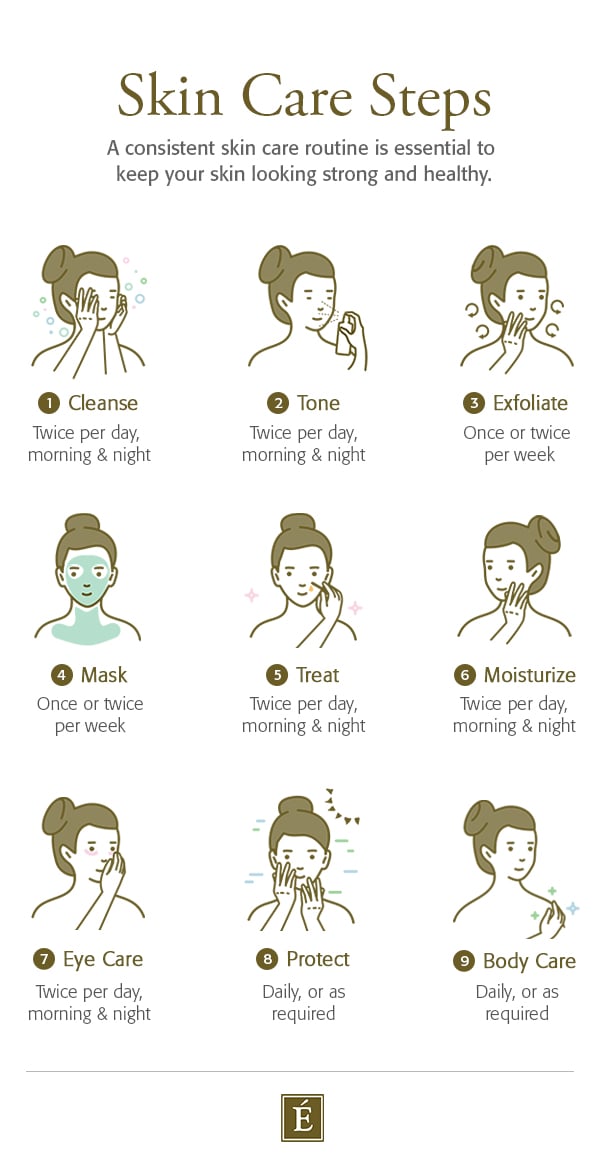
- Listen to your skin: Pay attention to how your skin feels throughout the day and week. Is your T-zone particularly shiny in the afternoon? Are your cheeks feeling tight or dry? These observations will guide you in adjusting your product usage. For instance, you might need to increase the frequency of cleansing in your T-zone, while focusing hydration on drier areas.
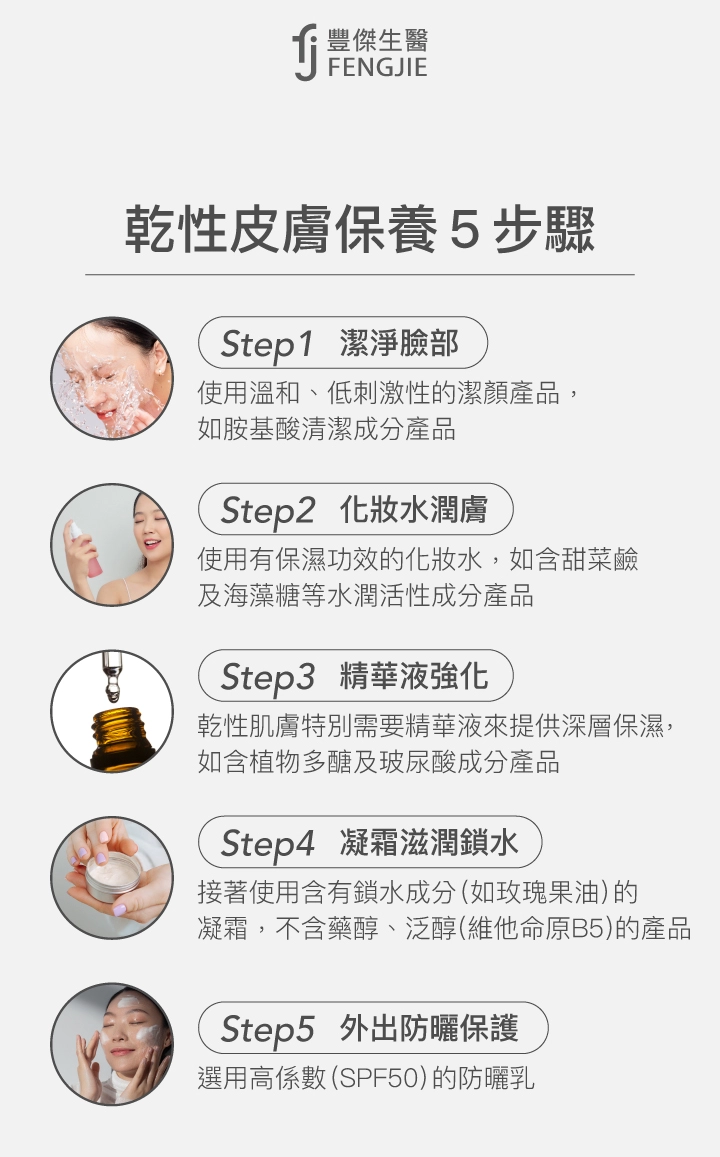
- Experiment with layering: Layering different products allows for a customized approach. Start with a lightweight, gentle cleanser followed by a hydrating serum focused on drier areas (cheeks, for example). Then, apply a lightweight moisturizer that won’t clog pores, focusing application where needed most. This targeted approach allows you to address the diverse needs of combination skin effectively.
- Introduce a clay mask strategically: Clay masks are excellent for absorbing excess oil, but avoid using them all over your face. Concentrate the application on your oily T-zone (forehead, nose, and chin) only. This prevents over-drying the drier areas of your face, maintaining the essential balance.
- Consider exfoliation (carefully): Gentle exfoliation can help unclog pores and improve skin texture, but it’s crucial to avoid over-exfoliating, which can irritate and worsen dryness. Aim for 1-2 times a week using a mild chemical exfoliant or a gentle scrub. Always follow with a hydrating serum and moisturizer.
- Don’t neglect sun protection: Sunscreen is crucial for all skin types, including combination skin. Choose a lightweight, non-comedogenic formula that won’t clog pores and apply it daily, even on cloudy days. This protects your skin from sun damage and premature aging.
By focusing on these refinements, you’ll be well on your way to achieving a clearer, healthier complexion. Remember, consistency is key!
Enhance Your Skin Care Skills
Once you understand the basics of combination skin care, it’s time to enhance your skills and truly personalize your routine. This involves paying close attention to your skin’s individual needs and making adjustments as necessary. Remember, combination skin can fluctuate based on factors like hormones, weather, and even stress levels. Therefore, a truly effective routine is flexible and responsive.
To enhance your approach, consider incorporating these strategies:
- Introduce a chemical exfoliant (like a low-concentration AHA or BHA) once or twice a week to gently remove dead skin cells and unclog pores, particularly in the oilier T-zone. This helps prevent breakouts while keeping the skin balanced. Always follow up with a moisturizer to prevent dryness.
- Experiment with different textures and formulations. A lightweight gel moisturizer might be best for your T-zone during warmer months, while a richer cream could be better suited for drier areas in winter. This targeted approach manages both oiliness and dryness simultaneously.
- Listen to your skin. If you notice increased oiliness or dryness, adjust your routine accordingly. You might need to increase the frequency of clay mask use, switch to a lighter moisturizer, or add a hydrating serum to particularly dry patches. Observing your skin’s reaction to different products is key to tailoring a successful routine.
- Don’t neglect sunscreen. Regardless of skin type, daily sunscreen is crucial for protecting your skin from sun damage. Choose a lightweight, non-comedogenic formula to avoid clogging pores and exacerbating oiliness.
By actively enhancing your knowledge and adapting your routine, you can achieve a more balanced and radiant complexion. Remember, consistency is key when it comes to improving your skin’s health. Small adjustments can make a significant difference over time.
| Strategy | Description | Emphasis |
|---|---|---|
| Introduce a chemical exfoliant | Use a low-concentration AHA or BHA once or twice a week to remove dead skin cells and unclog pores, especially in the T-zone. Follow with moisturizer. | Prevent breakouts and balance skin. |
| Experiment with textures and formulations | Use lightweight gel moisturizers in warmer months for the T-zone and richer creams for drier areas in winter. | Targeted approach for oiliness and dryness. |
| Listen to your skin | Adjust routine based on increased oiliness or dryness. Increase clay mask use, switch moisturizers, or add hydrating serums as needed. | Observe skin’s reaction; key to successful routine. |
| Don’t neglect sunscreen | Use a lightweight, non-comedogenic sunscreen daily to protect from sun damage and avoid clogging pores. | Crucial for all skin types. |
Advanced Skills for Combination Skin
Once you’ve mastered the basics of cleansing and moisturizing for combination skin, you can explore more advanced techniques to truly optimize your complexion. This involves understanding the nuances of your skin and adapting your routine accordingly. Seasonal adjustments are crucial; during drier months, you might need to increase the frequency of hydrating serums or switch to a richer moisturizer, while in warmer, more humid months, you might find you need less hydration and can focus more on oil control.
Consider incorporating active ingredients strategically. For example, you might use a salicylic acid-based cleanser or spot treatment on your oily T-zone to combat breakouts, while applying a hydrating hyaluronic acid serum to drier areas like your cheeks. This targeted approach allows you to address specific concerns without disrupting the overall balance of your combination skin. Remember that introducing new active ingredients should always be done gradually to minimize irritation. Always patch test before applying to your whole face.
Beyond products, lifestyle factors significantly impact combination skin. Maintaining a healthy diet, drinking plenty of water, and managing stress levels are all key components of a successful skincare regimen. Prioritizing sufficient sleep also helps your skin repair itself, which is essential for achieving a balanced and healthy complexion. Finally, remember that sun protection is paramount for all skin types, especially combination skin, which can be more susceptible to sun damage in some areas than others. Using a broad-spectrum sunscreen daily is non-negotiable.
It’s also important to listen to your skin. Pay close attention to how your skin reacts to different products and adjust your routine accordingly. If you experience irritation or breakouts, don’t hesitate to discontinue use and seek advice from a skincare professional. Remember that a consistent and adaptable routine is key to achieving long-term results in managing combination skin. Patience and persistence will yield the best outcomes.
Skin care skills for managing combination skin Conclusion
Mastering skin care skills for managing combination skin is a journey, not a destination. It requires understanding your skin’s unique needs, embracing a personalized approach, and adapting your routine as your skin changes. While the initial learning curve might seem challenging, the rewards – a balanced, healthy, and radiant complexion – are well worth the effort.
Remember the key takeaways:
- Gentle cleansing forms the foundation, removing impurities without stripping your skin’s natural oils.
- Lightweight moisturizers provide hydration without clogging pores.
- Strategic masking with clay masks targets oiliness in the T-zone, while hydrating serums replenish moisture in drier areas.
- Refining your routine involves actively listening to your skin and adjusting product usage based on its needs.
- Advanced skills involve incorporating active ingredients strategically and adjusting your routine seasonally.
- Lifestyle factors, such as diet, hydration, and stress management, play a crucial role in overall skin health.
By consistently practicing these skin care skills for managing combination skin and maintaining a flexible, responsive approach, you can achieve a clear, balanced, and confident complexion. Don’t be discouraged by occasional setbacks; persistence and patience are your allies in this journey to healthier skin.
Ultimately, your skin is a reflection of your overall well-being. By nurturing it with the right knowledge and consistent care, you invest in not just your appearance, but your overall health and self-confidence. Embrace the process, celebrate your progress, and enjoy the journey to a beautiful, balanced you!
Skin care skills for managing combination skin Quick FAQ
What’s the best way to cleanse combination skin?
For combination skin, a gentle, non-comedogenic cleanser is key. Harsh cleansers can strip your skin of its natural oils, leading to dryness and potentially stimulating excess oil production in the T-zone. Look for cleansers containing hydrating ingredients like hyaluronic acid. Focus on cleansing your T-zone more thoroughly than drier areas to avoid over-drying your cheeks.
How often should I use a clay mask on combination skin?
Clay masks are excellent for absorbing excess oil, but they shouldn’t be used all over the face if you have combination skin. Focus on applying them only to your oily T-zone (forehead, nose, and chin). The frequency depends on your skin’s needs. Start with once or twice a week and adjust based on your skin’s response. If your skin feels dry or tight after using a clay mask, reduce the frequency. Always follow up with a hydrating serum or moisturizer, especially on drier areas.
Can I use the same moisturizer all over my face if I have combination skin?
While you can use a single moisturizer, it’s often beneficial to tailor your approach. A lightweight, oil-free, or gel-based moisturizer works well for the oily T-zone. For drier areas, such as the cheeks, you might find a slightly richer moisturizer, or layering a hydrating serum underneath your moisturizer, provides better results. The key is finding a balance – ensuring your oily areas don’t become excessively greasy and your drier areas get the hydration they need.