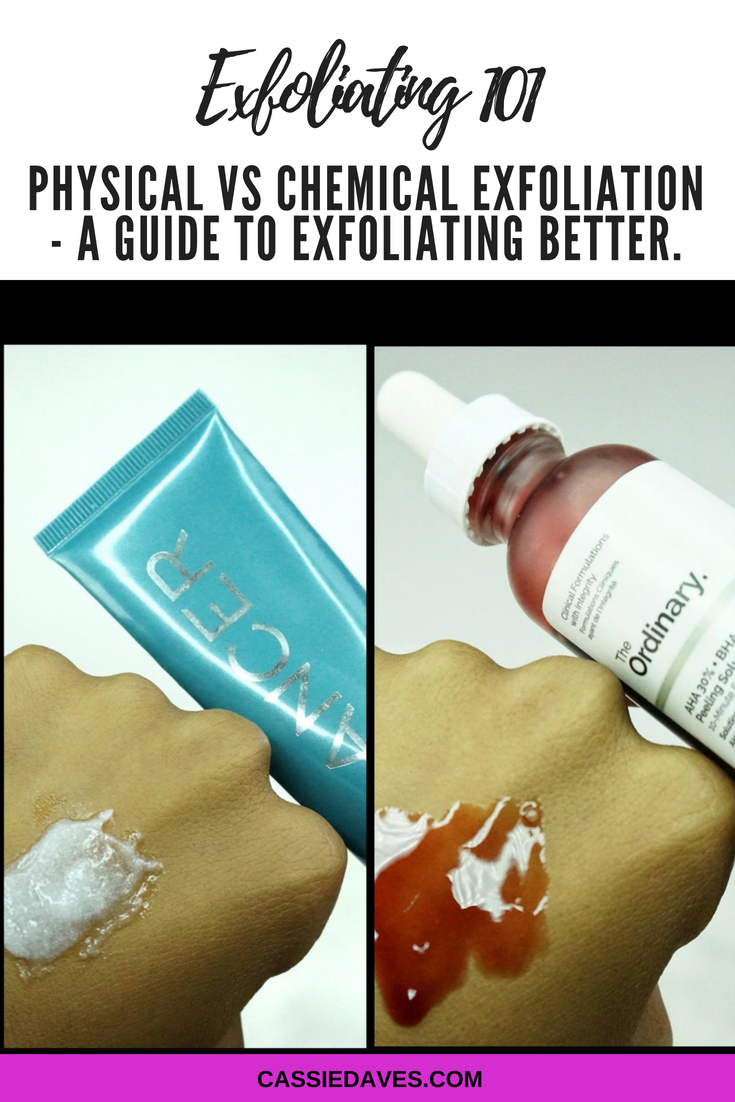
The key difference lies in their approach to removing dead skin cells. What is the difference between chemical and physical exfoliation? Simply put, chemical exfoliation uses acids like AHAs and BHAs to dissolve these cells, providing a deeper, more even renewal. In contrast, physical exfoliation relies on manual scrubbing to remove them. The best choice depends on your skin’s sensitivity; gentle chemical exfoliation is often preferable for sensitive skin types.
You may also refer to 如何避免化妝品過敏反應? – 守護你的肌膚健康
- Chemical vs. Physical: Key Differences
- Chemical vs. Physical: The Key Differences
- Chemical vs. Physical: The Answer
- Chemical vs. Physical: The Choice?
- What is the difference between chemical and physical exfoliation? Conclusion
- What is the difference between chemical and physical exfoliation? Quick FAQ
Chemical vs. Physical: Key Differences
Understanding the core differences between chemical and physical exfoliation is crucial for choosing the right method for your skin. Both aim to remove dead skin cells, revealing brighter, smoother skin, but they achieve this in distinct ways. Chemical exfoliation, using acids like AHAs (alpha-hydroxy acids) and BHAs (beta-hydroxy acids), works by dissolving the bonds between dead skin cells, allowing for a more even and controlled exfoliation. This process promotes cell turnover and can penetrate deeper into the skin, addressing concerns like acne and hyperpigmentation. In contrast, physical exfoliation, using scrubs with ingredients like microbeads or ground particles, involves manually scrubbing away dead skin cells. This method is more immediate and readily apparent but can be harsher on the skin, potentially causing irritation and micro-tears if not done gently. The key difference lies in the mechanism of action: chemical exfoliation dissolves, while physical exfoliation abrades.
Here’s a breakdown of their key distinctions:
- Depth of Exfoliation: Chemical exfoliants generally offer deeper exfoliation than physical scrubs, reaching beneath the skin’s surface.
- Skin Sensitivity: Individuals with sensitive skin often tolerate chemical exfoliation better, as it’s less abrasive. However, proper concentration and frequency are essential.
- Ingredients: Chemical exfoliants utilize acids like glycolic acid (AHA) and salicylic acid (BHA), while physical exfoliants employ abrasive particles such as sugar, salt, or microbeads.
- Potential for Irritation: While both methods can cause irritation if misused, physical exfoliation carries a higher risk of causing micro-tears and inflammation, especially with aggressive scrubbing.
- Results: Both methods improve skin texture and tone, but chemical exfoliation may be more effective for addressing specific concerns like acne, wrinkles, and hyperpigmentation due to its deeper penetration.
Choosing between chemical and physical exfoliation depends entirely on your skin type, concerns, and sensitivity. Always remember to patch test any new product before applying it to your entire face.
Chemical vs. Physical: The Key Differences
Understanding the core differences between chemical and physical exfoliation is crucial for choosing the right method for your skin. Chemical exfoliation, utilizing acids like AHAs (alpha-hydroxy acids) and BHAs (beta-hydroxy acids), works by dissolving the bonds between dead skin cells, promoting their gentle shedding. This process offers a deeper level of exfoliation, reaching beyond the surface. In contrast, physical exfoliation, typically involving scrubs with abrasive particles, relies on manual removal of dead skin cells through friction. This method is more direct but can be harsher on the skin, potentially leading to irritation if not done carefully. Let’s break down these key differences further:
- Depth of Exfoliation: Chemical exfoliants penetrate deeper into the skin, targeting a wider range of skin concerns, while physical exfoliants primarily work on the surface.
- Skin Sensitivity: Individuals with sensitive skin generally benefit more from the gentler approach of chemical exfoliation, as physical scrubs can be too abrasive.
- Potential for Irritation: Improper use of physical exfoliants can easily lead to irritation, redness, and even microscopic tears in the skin. Chemical exfoliants, when used correctly, pose a lower risk of irritation, but sensitivity testing is always recommended.
- Ingredients: Chemical exfoliants utilize specific acids, such as glycolic acid (AHA) or salicylic acid (BHA), while physical exfoliants contain abrasive particles like sugar, salt, or microbeads. Understanding the ingredients is key to selecting the right product for your skin type.
- Frequency of Use: Both methods require mindful usage. The frequency of chemical exfoliation depends on the strength of the acid and your skin’s tolerance, while physical exfoliation should be done less frequently to prevent over-exfoliation.
Choosing between chemical and physical exfoliation depends entirely on your individual skin type, concerns, and tolerance. Always consult with a dermatologist if you have any questions or concerns about which method is best for you.
Chemical vs. Physical: The Answer
So, which exfoliation method reigns supreme? The answer, as with most things in skincare, is: it depends. There’s no universally “better” option; the ideal approach is highly personalized and hinges on your individual skin type and concerns. For those with sensitive skin prone to irritation or redness, gentle chemical exfoliation with low concentrations of AHAs like lactic acid or glycolic acid is generally recommended. These acids work gradually, dissolving dead skin cells without the potential for micro-tears that physical scrubs can cause. This approach promotes smoother, brighter skin without the risk of inflammation.
Conversely, individuals with oily or acne-prone skin might find that physical exfoliation, used sparingly and correctly, can be beneficial. However, it’s crucial to choose a scrub with fine, round particles to avoid causing irritation or damage. Over-exfoliation is a common mistake with both methods, leading to dryness, redness, and inflammation. Therefore, regardless of your chosen method, moderation is key. Start slowly, using your chosen exfoliant once or twice a week, and observe your skin’s reaction. If irritation occurs, reduce the frequency or discontinue use.
Ultimately, the best approach may even involve a combination of both methods. You might incorporate a gentle chemical exfoliant a few times a week and then use a very mild physical scrub once a month for a deeper cleanse. Always remember to follow exfoliation with a hydrating moisturizer to maintain your skin’s barrier function and prevent dryness.
| Skin Type/Concern | Recommended Exfoliation Method | Details |
|---|---|---|
| Sensitive skin, prone to irritation or redness | Gentle chemical exfoliation | Low concentrations of AHAs (lactic acid, glycolic acid). Dissolves dead skin cells gradually, minimizing inflammation. |
| Oily or acne-prone skin | Physical exfoliation (used sparingly) | Scrub with fine, round particles. Avoid over-exfoliation. |
| All skin types | Moderation | Start slowly (once or twice a week), observe skin’s reaction. Discontinue if irritation occurs. |
| Optimal Approach | Combination | Gentle chemical exfoliant a few times a week, mild physical scrub once a month. Follow with a hydrating moisturizer. |
Chemical vs. Physical: The Choice?
Ultimately, the best exfoliation method depends entirely on your individual skin type and concerns. Choosing between chemical and physical exfoliation requires careful consideration.
For individuals with sensitive skin, prone to redness or irritation, chemical exfoliation with low concentrations of AHAs or BHAs is often the safer and more effective option. These acids work gradually, dissolving dead skin cells without the harsh scrubbing that can aggravate sensitive skin.
Those with oily or acne-prone skin may find that both chemical and physical exfoliation can be beneficial, but it’s crucial to proceed with caution. A gentle physical exfoliant used sparingly, combined with a chemical exfoliant like salicylic acid (a BHA), can help to unclog pores and reduce breakouts. However, over-exfoliation is a real risk, so start slowly and monitor your skin’s reaction carefully.
For those with normal to combination skin, a more flexible approach is possible. You might experiment with both methods, adjusting frequency based on your skin’s response. Remember, even with normal skin, over-exfoliation can lead to irritation, dryness, and increased sensitivity. Listen to your skin and adjust your routine accordingly.
Remember to always patch test any new product before applying it to your entire face. This minimizes the risk of adverse reactions. If you have concerns or are unsure which method is best for you, a consultation with a dermatologist can provide personalized recommendations tailored to your specific skin needs. They can help you develop a safe and effective exfoliation routine that complements your overall skincare regimen.
What is the difference between chemical and physical exfoliation? Conclusion
In reviewing the distinctions between chemical and physical exfoliation, the core question – What is the difference between chemical and physical exfoliation? – boils down to their method of action. Chemical exfoliation uses acids to dissolve dead skin cells, offering a deeper, more controlled exfoliation process. Physical exfoliation, conversely, uses friction from scrubs to remove dead skin cells, providing a more immediate but potentially harsher effect. The best choice isn’t a one-size-fits-all answer; it’s deeply personal.
Ultimately, selecting the right exfoliation method depends entirely on your skin’s unique needs. Sensitive skin often benefits from the gentler approach of chemical exfoliation, while those with oily or acne-prone skin may find a combination of both methods effective. Regardless of your choice, remember that moderation is key. Over-exfoliation, regardless of the method used, can lead to irritation, dryness, and damage. Always start slowly, patch test new products, and listen to your skin’s response. If you experience any persistent irritation or discomfort, consult a dermatologist for personalized advice.
By understanding the nuances of each method and prioritizing a careful, mindful approach, you can harness the power of exfoliation to reveal brighter, healthier, and more radiant skin. Remember, a healthy skincare routine is a balanced one!
What is the difference between chemical and physical exfoliation? Quick FAQ
What is the key difference between chemical and physical exfoliation?
The key difference lies in how they remove dead skin cells. Chemical exfoliation uses acids (like AHAs and BHAs) to dissolve the bonds between dead skin cells, offering a deeper, more even renewal. Physical exfoliation uses scrubs to mechanically remove dead skin cells through friction. Chemical exfoliation is generally gentler for sensitive skin.
Which type of exfoliation is best for sensitive skin?
For sensitive skin, gentle chemical exfoliation with low concentrations of AHAs (like lactic acid) is usually recommended. This method is less abrasive than physical exfoliation and carries a lower risk of irritation or micro-tears. Always start with a low concentration and gradually increase as tolerated.
How often should I exfoliate?
The frequency depends on your skin type, the type of exfoliant, and your skin’s reaction. Start slowly, perhaps once or twice a week, and observe your skin. If you experience irritation, redness, or dryness, reduce the frequency or discontinue use. Over-exfoliation can harm your skin’s barrier function.