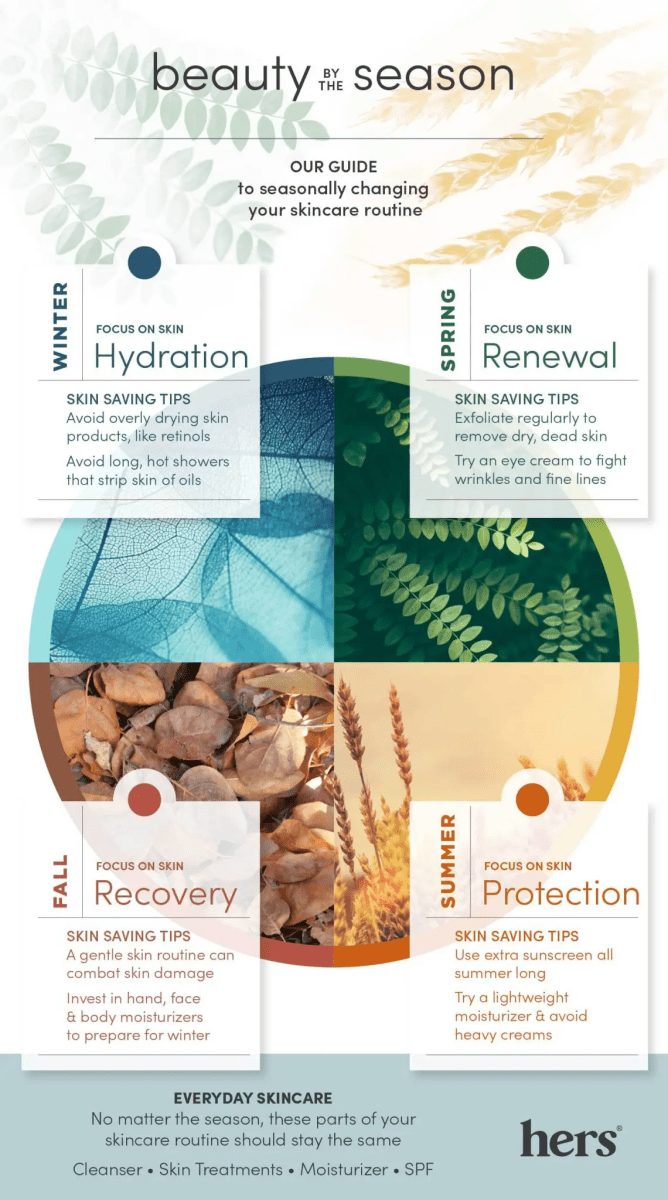
Winter’s harsh conditions can wreak havoc on your skin, leading to dryness and flakiness. Successfully navigating this seasonal change requires a strategic shift in your skincare approach. Knowing how to transition your skincare routine for winter involves several key steps. This means switching to cream-based cleansers to avoid stripping your skin’s natural oils, incorporating rich moisturizers and overnight masks for deep hydration, and utilizing key ingredients like ceramides and shea butter to replenish and strengthen your skin’s protective barrier. By following these steps, you can effectively combat dryness and maintain healthy, radiant skin throughout the colder months.
You may also refer to 面膜過敏dcard│面膜過敏怎麼辦?掌握4招預防過敏,解決皮膚紅癢問題
- Winter Skincare Transition: Key Steps
- Transitioning Your Routine: Key Products
- Winter Skincare Transition: Products
- Transitioning Your Skincare: Winter Prep
- How to transition your skin care routine for winter Conclusion
- How to transition your skin care routine for winter Quick FAQ
Winter Skincare Transition: Key Steps
Successfully transitioning your skincare routine for winter requires a strategic approach focusing on hydration and barrier repair. This is crucial to combat the drying effects of cold weather and low humidity. Ignoring these changes can lead to exacerbated dryness, flakiness, and even irritation. A successful winter skincare transition involves several key steps:
- Gentle Cleansing: Switch from foaming or gel cleansers to creamy, moisturizing options. These will cleanse your skin without stripping away its natural oils, a common cause of winter dryness. Look for cleansers that contain ingredients like ceramides or shea butter to help replenish your skin’s moisture barrier.
- Hydration is Key: Apply a rich, hydrating moisturizer both morning and night. The formula should be thicker than your summer moisturizer to provide a protective layer against the elements. Look for ingredients such as hyaluronic acid to attract and retain moisture, and ceramides to support the skin’s natural barrier function. Don’t forget to apply sunscreen with SPF 30 or higher daily, even on cloudy days, as sun damage can worsen dry skin.
- Overnight Hydration Boost: Incorporate an overnight mask 2-3 times a week. These intensely hydrating masks deliver a powerful dose of moisture while you sleep, allowing your skin to repair itself overnight. Choose masks specifically designed for dry skin, containing ingredients like shea butter, glycerin, or hyaluronic acid. They will help to deeply hydrate and restore your skin’s barrier function.
- Humidifier Help: Consider using a humidifier, especially in centrally heated homes or dry climates. A humidifier adds moisture to the air, preventing your skin from drying out.
- Listen to Your Skin: Pay close attention to how your skin reacts to the changes in your routine. If you experience any irritation or adverse reactions, adjust your routine accordingly. Don’t be afraid to experiment with different products and ingredients to find what works best for you. A successful winter skincare transition is a personalized journey.
By following these steps and choosing products with skin-replenishing ingredients, you can effectively combat dryness and maintain healthy, radiant skin throughout the winter months. Remember, consistency is key! A dedicated approach to your winter skincare transition will yield the best results.
Transitioning Your Routine: Key Products
Successfully transitioning your skincare routine for winter involves switching to products that specifically address dryness and replenish your skin’s protective barrier. This means focusing on key ingredients and formulations designed to combat the harsh effects of cold, dry air. Here’s what you should be looking for:
- Cream Cleansers: Ditch the foaming, gel cleansers you might use in the summer. Instead, opt for cream cleansers. These gentler formulas will cleanse your skin without stripping away its natural oils, which are crucial for hydration, especially during winter. Look for cream cleansers enriched with ingredients like ceramides to support the skin barrier.
- Rich Moisturizers: Your summer moisturizer likely won’t cut it during winter’s harsh conditions. Upgrade to a rich, creamy moisturizer that’s formulated to deeply hydrate and lock in moisture. Look for products containing shea butter, known for its intense moisturizing properties, or other emollients like hyaluronic acid which attracts and holds water within the skin. The goal is to create a protective layer against dryness and flaking.
- Overnight Masks: Incorporating an overnight mask into your routine is a powerful way to boost hydration while you sleep. These masks often contain high concentrations of moisturizing ingredients that work their magic while you rest, leaving your skin feeling significantly softer and smoother by morning. Look for overnight masks containing ceramides or hyaluronic acid to further support your skin’s barrier function and hydration levels.
Remember, consistency is key. Using these products regularly will help you to maintain healthy, hydrated skin throughout the winter months. Pay close attention to how your skin reacts to different products and adjust your routine as needed. Don’t be afraid to experiment to find the perfect combination that works best for you and your unique skin type.
Winter Skincare Transition: Products
Choosing the right products is crucial for a successful winter skincare transition. Remember, the goal is to replenish your skin’s protective barrier and combat dryness. This means shifting away from potentially harsh summer products towards richer, more hydrating formulas.
Let’s look at some specific product categories and ingredient recommendations:
Cream Cleansers: Gentle Cleansing
Swap your foaming cleanser for a cream cleanser. Foaming cleansers, while effective in warmer months, can be too stripping in winter, exacerbating dryness and irritation. Cream cleansers, on the other hand, provide gentle cleansing without disrupting your skin’s natural moisture barrier. Look for cleansers containing ingredients like ceramide or hyaluronic acid to further boost hydration.
Rich Moisturizers: Deep Hydration
Your moisturizer is your winter skincare hero. Opt for a rich, creamy moisturizer, preferably one that’s specifically formulated for dry skin. These moisturizers typically contain occlusive ingredients that trap moisture in the skin, preventing further water loss. Look for key ingredients like shea butter, glycerin, and niacinamide.
Overnight Masks: Intensive Hydration
Incorporate an overnight mask into your routine 1-2 times a week. These masks provide intensive hydration while you sleep, allowing the active ingredients to penetrate deeply into your skin. Look for masks containing hyaluronic acid, ceramides, or oils like jojoba or rosehip, for optimal skin replenishment during the night. This adds an extra layer of protection against the drying effects of winter.
- Cream Cleansers: Look for ceramides and hyaluronic acid.
- Rich Moisturizers: Seek out shea butter, glycerin, and niacinamide.
- Overnight Masks: Choose those with hyaluronic acid, ceramides, jojoba or rosehip oil.
“`html
| Product Category | Recommended Product Type | Key Ingredients | Benefits |
|---|---|---|---|
| Cleanser | Cream Cleanser | Ceramide, Hyaluronic Acid | Gentle cleansing without disrupting skin’s moisture barrier. |
| Moisturizer | Rich, Creamy Moisturizer | Shea Butter, Glycerin, Niacinamide | Deep hydration; traps moisture, preventing water loss. |
| Mask | Overnight Mask (1-2x/week) | Hyaluronic Acid, Ceramides, Jojoba/Rosehip Oil | Intensive hydration during sleep; deep penetration of active ingredients. |
“`
Transitioning Your Skincare: Winter Prep
As the temperatures drop, so does the humidity in the air, leading to significant changes in your skin’s needs. Transitioning your skincare routine for winter is crucial to prevent dryness, flakiness, and irritation. This isn’t just about swapping out a few products; it’s about a mindful shift in your approach to protect your skin’s barrier function. Think of it as preparing your skin for the colder, drier months ahead, much like you’d prepare your home for winter.
To successfully prepare your skin, consider these vital steps:
- Gentle Cleansing: Switch from foaming cleansers to cream cleansers. These are less likely to strip your skin of its natural oils, leaving it feeling supple and hydrated. Look for ingredients like ceramides or hyaluronic acid, which help retain moisture.
- Hydration Boost: Incorporate a richer moisturizer into your routine. Look for those containing shea butter, jojoba oil, or other nourishing ingredients. Apply it liberally, morning and night, to lock in moisture and protect against environmental stressors.
- Overnight Repair: Utilize the power of overnight masks once or twice a week. These intensive treatments deliver a concentrated dose of hydration and nutrients while you sleep, effectively replenishing your skin’s moisture levels.
- Sun Protection: Don’t forget the sunscreen! Even on cloudy winter days, the sun’s rays can damage your skin. Choose a broad-spectrum sunscreen with a higher SPF to provide optimal protection.
By following these winter skincare preparations, you’ll be well-equipped to combat dry, flaky skin and maintain a healthy, radiant complexion throughout the season.
How to transition your skin care routine for winter Conclusion
Successfully navigating the transition to winter skincare is about more than just swapping out your products; it’s about understanding your skin’s changing needs and adapting your routine accordingly. We’ve explored the key steps in how to transition your skincare routine for winter, from gentle cleansing and deep hydration to the power of overnight masks and the importance of consistent sun protection. Remember, the goal is to fortify your skin’s natural barrier and combat the drying effects of cold weather and low humidity.
By incorporating the advice outlined in this guide – switching to cream cleansers, utilizing rich moisturizers, incorporating overnight masks, and selecting products with key ingredients like ceramides and shea butter – you can effectively protect your skin against winter’s harsh conditions. The information provided on how to transition your skincare routine for winter emphasizes a proactive and personalized approach. Listen to your skin, adapt your routine as needed, and remember that consistency is key to achieving and maintaining healthy, radiant skin throughout the colder months.
This journey towards healthier winter skin is a personalized one. Experiment with different products and techniques to find what best suits your unique skin type and needs. With careful attention and a dedicated approach, you’ll be well-equipped to enjoy healthy, glowing skin all winter long.
How to transition your skin care routine for winter Quick FAQ
What are the key steps to transitioning my skincare routine for winter?
Successfully transitioning your skincare for winter involves several key steps: 1) Gentle Cleansing: Switch to cream cleansers to avoid stripping your skin’s natural oils. 2) Hydration is Key: Use rich, hydrating moisturizers morning and night, incorporating ingredients like hyaluronic acid and ceramides. 3) Overnight Hydration Boost: Use an overnight mask 2-3 times a week for deep hydration. 4) Humidifier Help: Consider using a humidifier to add moisture to the air. 5) Listen to Your Skin: Pay attention to your skin’s reactions and adjust your routine accordingly.
What key ingredients should I look for in my winter skincare products?
To combat winter dryness, prioritize products containing: Ceramides to repair and strengthen your skin’s barrier; Shea butter for its intense moisturizing properties; and Hyaluronic acid to attract and retain moisture. Other beneficial ingredients include glycerin and niacinamide.
What type of cleansers, moisturizers, and masks should I use during winter?
In winter, switch from foaming or gel cleansers to cream cleansers. Use a rich, creamy moisturizer instead of your lighter summer moisturizer. Incorporate an overnight mask 1-2 times a week for extra hydration. Look for products specifically formulated for dry skin and containing the key ingredients mentioned above.